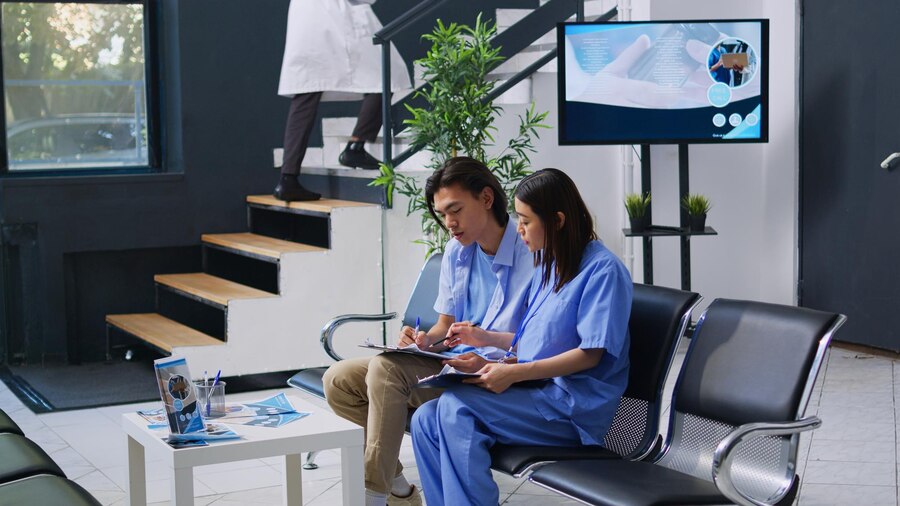
The integration of nursing stations within hospital infrastructure is pivotal in modern healthcare. A well-integrated nursing station leverages technology to improve patient care, streamline workflows, and enhance communication among healthcare professionals. Technical integration of nursing stations in hospitals? This article delves into the technical aspects of integrating nursing stations, exploring key technologies, their benefits, and the challenges faced during implementation.
Key Technologies in Nursing Station Integration
1. Electronic Health Records (EHR) Systems
EHR systems are the backbone of modern nursing stations. These digital records replace traditional paper charts, allowing for real-time access to patient data. EHRs streamline documentation, reduce errors, and facilitate better coordination among healthcare providers.
-
- Interoperability: EHR systems must integrate with other hospital information systems (HIS) for seamless data exchange. Standards like HL7 (Health Level Seven) and FHIR (Fast Healthcare Interoperability Resources) enable different systems to communicate effectively.
- User Interface (UI): The UI of EHR systems should be intuitive, allowing nurses to input and retrieve information quickly. Features like customizable dashboards and automated alerts enhance usability.
2. Nursing Call Systems
Modern nursing call systems go beyond simple button-press alerts. They integrate with other hospital systems to provide comprehensive communication solutions.
-
- VoIP Integration: Voice over Internet Protocol (VoIP) allows nurses to communicate directly with patients or other staff members using handheld devices or bedside terminals.
- Smart Alarms: These systems can prioritize alerts based on severity, ensuring critical alarms receive immediate attention.
3. Mobile and Wearable Devices
Mobile and wearable technologies are increasingly used in nursing stations to monitor patient vitals and facilitate communication.
-
- Mobile Apps: Nurses can use smartphones or tablets to access patient records, medication schedules, and other critical information on the go.
- Wearable Monitors: Devices like smartwatches can continuously monitor patient vitals and alert nurses to any irregularities.
4. Automated Medication Dispensing Systems
Automated medication dispensing systems enhance the accuracy and efficiency of medication administration.
-
- Integration with EHR: These systems link with EHRs to ensure that medication orders are accurately dispensed and documented.
- Security Features: Biometric authentication and secure access protocols prevent unauthorized access to medications.
5. Telehealth Integration
Telehealth platforms enable remote consultations and monitoring, expanding the reach of nursing care.
-
- Video Conferencing: Nurses can conduct remote consultations, reducing the need for patient travel and enabling access to specialists.
- Remote Monitoring Tools: These tools allow for continuous patient monitoring, with data transmitted to the nursing station for analysis and action.
Benefits of Technical Integration
1. Improved Patient Care
The integration of advanced technologies at nursing stations enhances patient care by providing timely access to accurate information and enabling proactive management of patient health.
-
- Real-time Data Access: Nurses have immediate access to up-to-date patient information, facilitating informed decision-making.
- Enhanced Monitoring: Continuous monitoring systems can detect issues early, allowing for prompt intervention.
2. Increased Efficiency
Technology streamlines workflows, reducing the administrative burden on nurses and allowing them to focus more on patient care.
-
- Automated Documentation: EHRs and other systems reduce the need for manual data entry, minimizing errors and saving time.
- Optimized Workflows: Integrated systems coordinate various tasks, from medication administration to patient monitoring, ensuring efficient operation.
3. Enhanced Communication
Integrated communication tools ensure that nurses can quickly and effectively collaborate with other healthcare providers.
-
- Instant Messaging and Alerts: Nurses can receive and respond to messages and alerts in real-time, improving response times.
- Interdepartmental Coordination: Seamless data sharing across departments facilitates coordinated care.
4. Data Analytics and Reporting
The integration of data analytics tools at nursing stations allows for the collection and analysis of healthcare data, leading to better patient outcomes and operational insights.
-
- Predictive Analytics: By analyzing patient data, healthcare providers can identify trends and predict potential health issues.
- Quality Improvement: Analytics can highlight areas for improvement, guiding quality enhancement initiatives.
Challenges in Integration
1. Interoperability Issues
Achieving seamless integration between different systems can be challenging due to varying standards and protocols.
-
- Standardization: Ensuring all systems adhere to common standards like HL7 and FHIR is crucial for interoperability.
- Legacy Systems: Integrating newer technologies with existing legacy systems requires careful planning and execution.
2. Data Security and Privacy
Protecting patient data is paramount, and the integration of multiple systems increases the complexity of maintaining security.
-
- Encryption and Authentication: Implementing robust encryption and multi-factor authentication helps safeguard sensitive information.
- Compliance: Adhering to regulations like HIPAA (Health Insurance Portability and Accountability Act) ensures data privacy and security.
3. Training and Change Management
Adopting new technologies requires comprehensive training and change management to ensure that staff are proficient and comfortable with the new systems.
-
- Ongoing Training Programs: Regular training sessions help keep staff updated on the latest technologies and best practices.
- User Support: Providing continuous support and resources helps address any issues that arise during the transition.
4. Cost and Resource Allocation
The initial investment and ongoing maintenance costs of integrating advanced technologies can be substantial.
-
- Budgeting: Careful budgeting and financial planning are essential to manage costs effectively.
- Resource Allocation: Allocating sufficient resources, including IT support and infrastructure, is crucial for successful integration.
Conclusion
The technical integration of nursing stations in hospitals represents a significant advancement in healthcare delivery. By leveraging technologies like EHR systems, mobile devices, automated medication dispensing, and telehealth platforms, nursing stations can enhance patient care, improve efficiency, and facilitate better communication among healthcare providers. Despite the challenges of interoperability, data security, training, and costs, the benefits of a well-integrated nursing station are substantial, leading to improved patient outcomes and more efficient hospital operations. As healthcare technology continues to evolve, the integration of these advanced systems will play an increasingly critical role in shaping the future of nursing and patient care. Also explore top-quality hospital cots from Penta Surgicals!